


The tips below are grouped by theme, so you can jump straight to what you need: where and when to go, money, getting around, temples and manners, health, paperwork, your phone and your bag. Every tip is something you can act on before you fly or on your first day.
Plan Thailand in Stippl
Day-by-day planning, stays and budget in one app, with every place from this guide already on the map.
Download the appTravelling Thailand for beginners: start with route and season
Before any of the smaller tips, decide roughly where and when you are going, because in Thailand the season changes everything. The country has two coasts with opposite monsoons. The Andaman side (Phuket, Krabi, Koh Phi Phi, Koh Lanta) is dry roughly November to April. The Gulf side (Koh Samui, Koh Phangan, Koh Tao) is dry roughly January to September and gets its rain from late October to December, as our guide to Koh Samui through the seasons explains month by month. So you never cancel Thailand for the weather: you switch coasts.
If this is your first time in Thailand and you are wondering where to go, the classic first trip combines three parts: Bangkok, the north around Chiang Mai, and one stretch of coast chosen by your month. Bangkok is the near universal way in, with two airports, and arriving in Bangkok for a couple of nights is the gentlest start. Browse all the places to go in Thailand once you know your coast.
Then keep the stop count down. Across the more than 268,000 Thailand trips planned with Stippl, travellers stay three nights per stop on average, and Bangkok is the stop they add most often. Three nights a stop means a two week trip holds four or five places, not eight, and our Thailand itinerary for two weeks shows that rhythm stop by stop. The most common first timer mistake is trying to squeeze the whole country into two weeks; with under two weeks, pick either the north or the islands.
Best time to visit Thailand
November to March is the best window for the country as a whole: dry, warm and comfortable even in the north, which is also why it is the busiest and priciest. March to May is hot, with April the hottest month and the Songkran water festival in mid April. June to October brings short, heavy afternoon showers, the cheapest rooms and the Gulf islands at their best. For each region month by month, read our guide to the best time to visit Thailand, and our guide to Thailand in November covers the month when the north and the Andaman coast come good together.
Money and payments
Thailand runs on the baht, and the first rule is to carry cash. Street food, markets, boats, islands and anything rural are cash only in practice. Cards and contactless work in hotels, malls and more and more on Bangkok's transport, and you need a card to book domestic flights and most hotels online.
Check your banknotes by the number, not the colour: the 100 and the 1,000 baht notes look alike, and handing over the wrong one is an easy and expensive mistake.
ATMs, cards and fees
Thai ATMs charge a fixed fee on every withdrawal, on top of whatever your own bank charges, and that fee has gone up in recent years. The fix is simple: withdraw less often and take out the maximum each time. Keep an eye on the machine, too, because Thai ATMs hand you the cash before they return your card, and a forgotten card is the classic first week problem.
Bargaining, tipping and agreeing prices
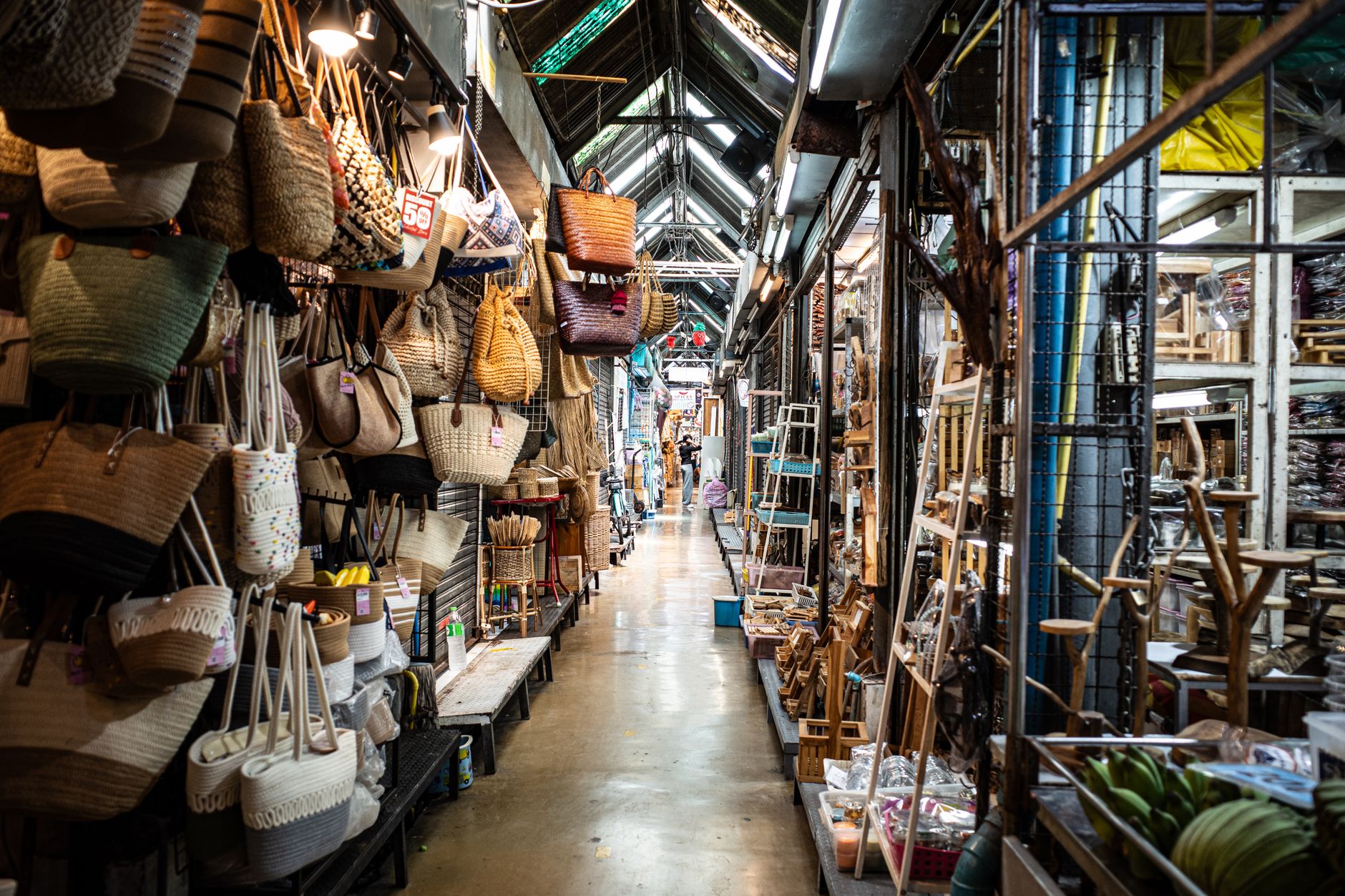
Haggling is expected at markets: start well below the opening price, stay friendly and walk the whole market before you buy. It is not done in malls or at stalls with fixed prices. Agree the price before you get into a tuk tuk or a longtail boat, because neither has a meter.
Tipping is appreciated but not expected. Round up a taxi fare, and leave about 10% in a nicer restaurant if service is not already on the bill.
How much money do you need?
Your rooms and how you move decide most of your budget. Domestic flights, island boats and the Christmas and New Year peak (when rooms can double in price and sell out months ahead) push it up. The south is pricier than the north, and ferries are the line item people forget. What stays cheap is the best part of Thailand: street food, night markets, songthaews and local buses. Booking day trips locally rather than through your hotel also saves real money.
The result is that the same route can cost very different amounts on a backpacker or a comfort budget. In the Stippl app you can set a budget per stop and log what you spend in baht as you go, so you see early whether the islands are eating the plan.
Budget
€20–30
dorm or fan room, street food, buses and ferries, occasional day trip
Mid-range
€55–90
private room with pool, restaurant meals, domestic flights, guided activities
High-end
€180+
resorts and boutique hotels, private transfers, diving and premium tours
Getting around Thailand
Thailand is one of the easiest countries in Asia to travel independently. You do not need a tour operator, most tickets can be bought a day ahead, and signs on the tourist trail are in English.
Grab, taxis and tuk tuks in the cities
Download Grab before you land. It is the default ride hailing app in Bangkok and Chiang Mai, it fixes the fare before you get in, and Bolt is often a little cheaper. With a metered taxi, check the meter is running before you set off; if the driver refuses, take the next one. At the airport, use the official taxi desk rather than anyone who approaches you in the hall.
In Bangkok, the BTS Skytrain and the MRT are the only reliable way to beat the traffic, so stay within walking distance of a station. Tuk tuks are fun for one ride, not for getting around: agree the price first and wave down a moving one rather than one parked outside a big temple.
Night trains, buses and domestic flights
For the long hop from Bangkok to Chiang Mai, the night train is the leg people remember. It takes 11 to 15 hours, saves you a night's room, and leaves from Krung Thep Aphiwat station, not the old Hua Lamphong. Book a sleeper berth a few days ahead, more in peak season, because they sell out.
To jump from the north to the south, fly. AirAsia, Nok Air, Thai Lion, VietJet and Bangkok Airways all run the main domestic routes, and the flight usually beats a 13 hour bus on time and often on price. Long distance buses and minivans fill the shorter gaps, like the winding three to four hour ride from Chiang Mai to Pai in the northern mountains. 12Go is the platform almost everyone uses to book buses, trains and ferries.

Boats to the islands and riding a scooter
The islands are ferry and speedboat country. The coast around Krabi is the hub for Koh Phi Phi, Railay and the Andaman islands, and Koh Tao in the Gulf is reached by catamaran from Chumphon, Koh Samui or Koh Phangan. Book boats ahead in high season, and know that out of season each coast gets rough seas: on the Gulf side, November is the month the authorities most often keep boats in port.
A scooter is the big temptation, and the biggest risk. In Thailand you need an International Driving Permit that matches a motorcycle licence from home; ride on a car licence only and your travel insurance will not pay out after an accident. Traffic drives on the left. Wear a helmet even when locals do not, photograph the bike before you ride off, and never leave your passport as a deposit: a copy and a cash deposit is the norm.
Editor's tip: Never book an island ferry and an international flight on the same day. When the sea is rough, the provincial authorities order every boat to stay in port, tickets are changeable but not refundable, and the ferry company owes you nothing for a missed flight. Put one spare night on the mainland, or near the airport, at the end of your island leg.
Flights to Thailand
Most long haul flights land in Bangkok, at Suvarnabhumi (BKK) or Don Mueang (DMK, the budget airlines' airport), so check which one is on your ticket. Phuket, Krabi and Chiang Rai have airports too, which makes an open jaw ticket easy: fly into Bangkok and home from the south, and you never backtrack.
Temples and etiquette: the do's and don'ts
Thai temples are working places of worship, not monuments, and a few simple rules cover almost every situation.
What to wear at temples
Cover your shoulders and knees, and take your shoes off before you enter any temple building. Carry a light scarf or sarong in your daypack and you are covered for every temple on the trip. The Grand Palace in Bangkok has the strictest dress code in the country: no tank tops, leggings, ripped jeans or see-through fabric, a scarf over bare shoulders is not accepted, and sandals need a strap at the back.

The royal family, Buddha and everyday manners
The monarchy is protected by law, and speaking disrespectfully about the royal family is a criminal offence, not a faux pas. Stand still when the royal anthem plays in a cinema or a public space.
The head is the most respected part of the body and the feet the lowest, so never touch anyone's head, children's included, and never point your feet at a person or a Buddha image. Women should not touch a monk or hand anything to one directly.
Greet people with the wai, palms together and a slight bow, and return one when it is offered. Above all, stay calm: raising your voice or losing your temper costs you standing straight away, while a smile and a few Thai words open doors. Sawasdee (hello), khop khun (thank you) and mai pen rai (no worries) are the three to learn. One more cultural quirk: Thai politeness avoids a flat "no", so ask twice, in different words, when directions matter.
Elephants deserve their own line: never ride one or visit a venue with shows. A vetted sanctuary offers observation and feeding instead, and the good ones cap visitor numbers, so book a slot ahead, for example through GetYourGuide.
Health and safety
Thailand is one of the safer countries to travel in, solo women and families included. The real risks are traffic and the occasional scam, not crime.
Vaccinations, mosquitoes and the sun
No vaccinations are required for a standard trip. See a travel clinic or your doctor well before you leave: hepatitis A, typhoid and an up to date tetanus, diphtheria and polio jab are the usual advice, with hepatitis B and rabies added for longer stays. Malaria risk on the usual routes is very low, so repellent with DEET and covering up at dusk are the real protection; dengue is present in Bangkok. In the heat, drink more water than you think you need, and use proper sun protection on beaches and boats. If anything does go wrong, the private hospitals in Bangkok, Chiang Mai and Phuket are excellent.
Water, food and street stalls
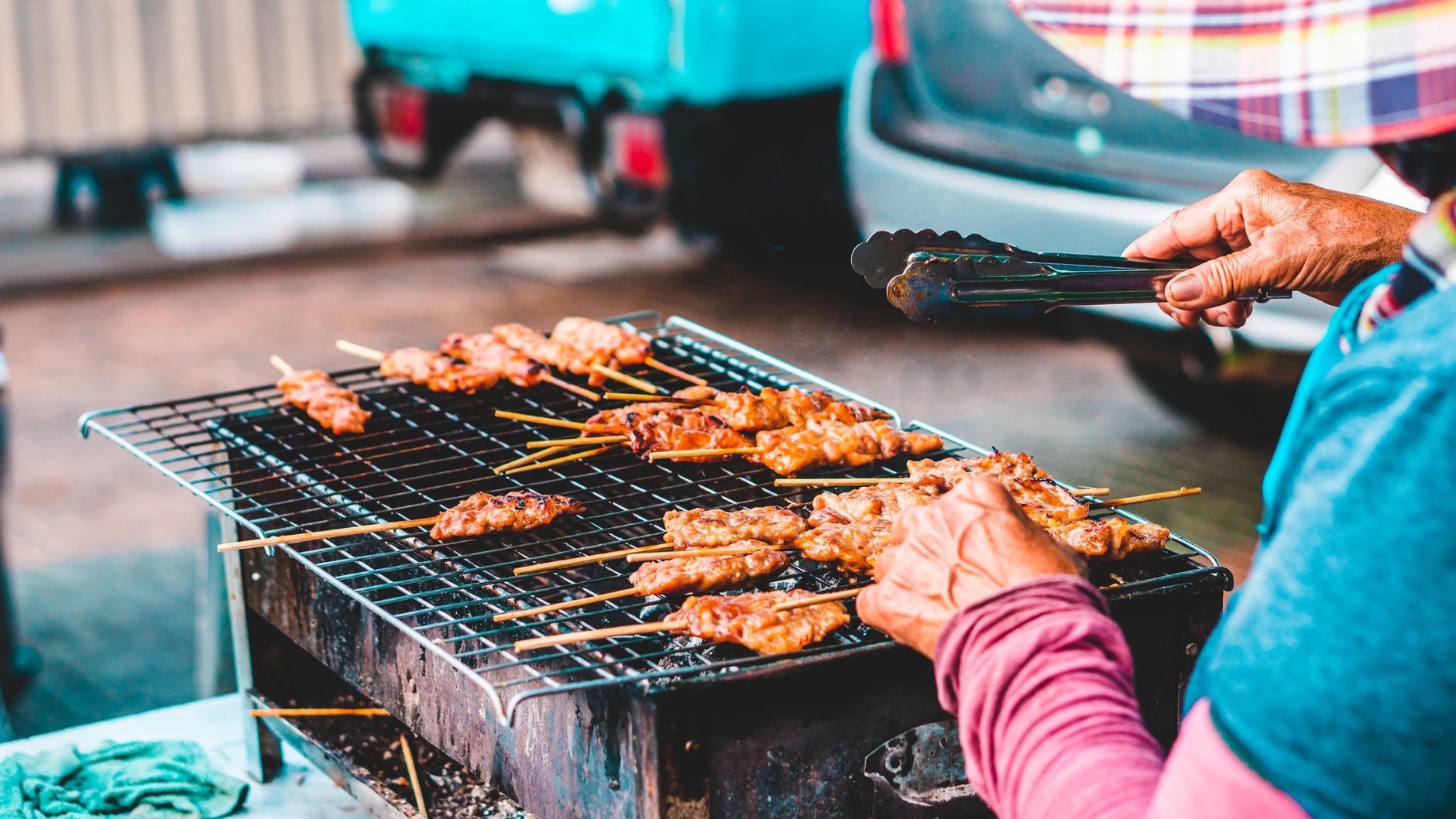
Do not drink the tap water. Bottled water is everywhere, and refill stations cost next to nothing, so bring a refillable bottle, ideally one with a filter. Street food is safe and usually the best food you will eat: pick busy stalls that cook to order, and have fruit cut in front of you rather than buying it pre-cut. New to Thai food? Ask for mai phet, not spicy.
Common scams and travel insurance
The standing scams are well known, which makes them easy to dodge:
- "The temple is closed today." A friendly stranger or tuk tuk driver near the Grand Palace offers a better temple, and the ride ends at a gem or tailor shop. Walk to the entrance yourself.
- The near free tuk tuk tour. Same trick, with three or more shop stops as the price.
- The taxi meter. A covered or "broken" meter, or a price that rises mid ride. Get out and take the next one.
- Damage claims. Jet ski and scooter owners claiming old scratches as new. Photograph everything before you ride.
- Boat tickets from street sellers. Buy at official counters or online.
Take travel insurance, and read what it covers. A standard policy will not pay for a scooter accident without the right licence, and diving often needs separate dive insurance, so add both if you plan either.
Entry and paperwork
Entry rules for Thailand depend on your passport and how long you stay, and they change often: the visa free stay for many nationalities was being shortened at our last check. So treat anything you read about the new requirements to travel to Thailand, here included, as a starting point. Before you book, check the Thai embassy website for your country and your own government's travel advice.
Then, before you fly, fill in the Thailand Digital Arrival Card on the official TDAC portal. It is free, it has to be submitted within 72 hours before you arrive, you redo it for every entry, and one form can cover a small group. Paid look-alike sites charge for the same thing, so use only the official one. Make sure your passport has plenty of validity left beyond your trip and an empty page, and carry proof of an onward ticket: it is checked at the border.
Two rules surprise people: vapes and e-cigarettes are illegal to bring in or use, and police fine tourists for them, and cannabis needs a Thai prescription. Check both before you pack.
Visa rules for US travellers
US travellers have usually entered Thailand visa free for a holiday, but the length of that stay depends on the current rules and on how long you plan to stay. Check the Royal Thai Embassy in Washington and the US State Department before you book, and again before you fly.
SIM card, eSIM and internet
Mobile coverage is good in the cities and on the main islands, and you will lean on your phone from the moment you land: Grab, maps and boat tickets all need data. You have two easy options. Buy a tourist SIM at the airport from one of the big operators (AIS, True Move or DTAC), or install an eSIM before you fly and skip the airport queue entirely.
Before you leave home wifi, download Google Maps offline for your stops and install Grab and the rest of your travel apps; our list of the best apps for Thailand covers what to put on your phone. Wifi is standard in places to stay and cafés, and Chiang Mai is one of the world's big digital nomad hubs if you need to work.
Thailand tips and tricks for packing
Pack light: you will move a lot, and island boats have luggage limits.
- Light, breathable clothes, with at least one outfit that covers shoulders and knees for temples.
- A sarong or light scarf, the most useful thing in the bag: temple cover, beach towel and blanket on a cold night bus.
- A warm layer if you go north between November and February. Nights in Chiang Mai get cool, and mornings in Pai and the mountains can be properly cold.
- A light rain jacket in the rainy season, for the afternoon downpours.
- Sunscreen, a hat and repellent. Buy more on the road if you run out.
- A small daypack for boats and day trips, and sandals that slip off easily at temple doors.
- A refillable water bottle, ideally with a filter.
Sockets are type A, B and C, so most European two-pin plugs fit without an adapter; travellers from elsewhere should pack one.

Plan your first Thailand trip in Stippl
Tips only help once they sit inside a plan. Open a new trip in the Stippl itinerary planner and turn this guide into a route:
- Add your stops on the map. Bangkok, the north, one coast: you see straight away whether your islands sit on the dry side for your month.
- Set nights per stop. Start from three a stop and the dates recalculate as you adjust them.
- Add the transport between stops. The night train, a domestic flight, the ferry, each with its departure time, plus that buffer night before your flight home.
- Keep a budget per stop and log what you spend in baht as you travel.
- Share the plan with whoever you travel with, so everyone works from the same route.
Want a worked example first? Our Thailand trip planner guide walks through the same steps with a full two week route, and the 10 day Thailand itinerary does Bangkok, Chiang Mai and Pai day by day.
Track what you actually spend
Set a daily budget per country and log expenses in any currency while you travel.
Download the trip before you fly and it opens offline, on a ferry or a mountain road with no signal.
Frequently asked questions about Thailand
Cover your shoulders and knees at temples, take off your shoes where others do, and stay calm when things go wrong. Never touch someone's head, point your feet at people or Buddha images, or speak disrespectfully about the royal family.
Yes, it is one of the easiest places to start, with good transport, plenty of places to stay and a well travelled route. Bangkok is the stop travellers add to a Thailand trip most often in Stippl, and it makes a gentle first base.
It depends mostly on your rooms, your domestic flights and whether you travel over Christmas and New Year. Street food and local transport stay cheap, so the same route can cost very different amounts on a backpacker or a comfort budget.
That depends on your passport and how long you stay, and the rules change, so check the official Thai government or embassy website before you book. Fill in the free Thailand Digital Arrival Card online within 72 hours before you land, on the official portal only.
Most first trips combine Bangkok, the north around Chiang Mai and one stretch of coast. Choose the coast by season: the Andaman side roughly November to April, the Gulf islands roughly January to September.
Ready to turn these tips into a route? Start your Thailand trip in Stippl: add your stops, set the nights, link the trains and ferries, and take the whole plan offline.