

Plan it in Stippl
Day-by-day planning, stays and budget in one app, with every place from this guide already on the map.
Download the app1. Kalymnos, Greece - Top Destinations for Rock Climbing in Europe
Nestled in the Aegean Sea, Kalymnos is a climber's paradise known for its stunning limestone cliffs and sea views. With over 2,500 routes, it caters to all levels from beginners to advanced climbers.
- Level of Difficulty: Varied, from easy 5a routes to challenging 8c+ routes.
- Equipment Suggestions: Standard sport climbing gear including quickdraws, a 70m rope, and a helmet. Consider bringing a clip stick for the high first bolts.
- Destination Highlights: Besides climbing, explore the picturesque beaches, visit the Sponge Divers' Museum, and enjoy fresh seafood at local tavernas.
- Best Times of Year to Climb: The ideal climbing seasons are spring (April to June) and autumn (September to October) when the weather is warm but not too hot.
- Safety Tips and Guidelines: Be cautious of loose rocks on some routes and ensure proper hydration due to the sunny conditions. Always check local weather forecasts before heading out.
- Local Climbing Culture: Kalymnos hosts the annual Kalymnos Climbing Festival, attracting climbers from around the world. The island's welcoming community and laid-back atmosphere make it a perfect destination for socializing and sharing climbing experiences.
- Transportation and Accessibility: Kalymnos is accessible by ferry from the nearby island of Kos, which has an international airport. Alternatively, you can fly to Athens and take a domestic flight to Kalymnos.
- Accommodations and Lodging Options: Kalymnos offers a range of accommodations, from budget-friendly hostels and guesthouses to more luxurious hotels and seaside villas. Many climbers choose to stay in the villages of Masouri and Myrties, which are close to popular climbing sectors.
- Local Guides and Tours: There are several climbing schools and guides available in Kalymnos, such as Kalymnos Climbing Guide and Kalymnos Adventure Center, offering personalized guiding services and climbing courses for all levels.
2. El Chorro, Spain - Top Destinations for Rock Climbing in Europe

Located in Andalusia, El Chorro is famous for its dramatic gorges and extensive climbing opportunities. The Desfiladero de los Gaitanes gorge is a highlight, offering a range of multi-pitch routes.
- Level of Difficulty: Moderate to difficult, ideal for intermediate and advanced climbers.
- Equipment Suggestions: A 60-70m rope, a set of quickdraws, and a helmet. Multi-pitch gear is necessary for the longer routes.
- Destination Highlights: Don't miss the Caminito del Rey, a walkway through the gorge with breathtaking views. The nearby village of Álora offers charming accommodations and local cuisine.
- Best Times of Year to Climb: The best periods are from October to May. Summer can be extremely hot, making climbing conditions less favorable.
- Safety Tips and Guidelines: Due to the nature of the gorge, weather conditions can change rapidly. Always carry sufficient water and wear a helmet to protect against falling debris.
- Local Climbing Culture: El Chorro is known for its friendly climbing community. Many local climbers are eager to share tips and route recommendations, making it a great place to meet fellow enthusiasts.
- Transportation and Accessibility: El Chorro can be reached by train from Málaga, which has an international airport. There are also regular buses and rental car options available.
- Accommodations and Lodging Options: Accommodation options range from campsites and hostels to guesthouses and hotels. Finca La Campana is a popular choice among climbers, offering a social atmosphere and proximity to climbing areas.
- Local Guides and Tours: Local guiding services, such as Rockbusters and El Chorro Adventures, offer guided tours and climbing courses to help you navigate the best routes safely.
3. Frankenjura, Germany - Top Destinations for Rock Climbing in Europe

As one of Europe's premier climbing areas, Frankenjura boasts over 1,000 crags and thousands of routes. The region is characterized by steep limestone walls and pocketed rock formations.
- Level of Difficulty: Wide range, suitable for all skill levels.
- Equipment Suggestions: Sport climbing gear, including a 60m rope, quickdraws, and a helmet. A crash pad is useful for the bouldering areas.
- Destination Highlights: Visit the medieval town of Bamberg, a UNESCO World Heritage Site, and enjoy the local beer gardens after a day of climbing.
- Best Times of Year to Climb: Spring (April to June) and autumn (September to October) offer the best conditions. Summer can be humid, and winter climbing is possible but can be very cold.
- Safety Tips and Guidelines: Many routes are bolted, but some may have older protection. Check the condition of bolts and anchors before climbing, and bring a stick clip for safety.
- Local Climbing Culture: Frankenjura has a rich climbing history and a strong local climbing scene. The area is known for its traditional "redpoint" ethic and the legendary climbers who have set iconic routes here.
- Transportation and Accessibility: The region is accessible via train from Nuremberg or Munich. Renting a car is recommended to reach the more remote crags.
- Accommodations and Lodging Options: Options range from campsites and hostels to guesthouses and hotels. Gasthof Eichler and Rock Inn Frankenjura are popular choices for climbers, offering comfortable stays and easy access to climbing areas.
- Local Guides and Tours: Local guide services, such as Frankenjura Climbing School, provide climbing courses, guided tours, and information on the best routes and conditions.
4. Fontainebleau, France - Top Destinations for Rock Climbing in Europe

Known globally as a bouldering mecca, Fontainebleau offers an incredible variety of sandstone boulders set in a beautiful forest.
- Level of Difficulty: All levels, with an emphasis on bouldering problems from V0 to V16.
- Equipment Suggestions: Climbing shoes, chalk, and several crash pads. A brush for cleaning holds can also be useful.
- Destination Highlights: Explore the historic Château de Fontainebleau and the surrounding forest trails. Paris is just an hour away by train, perfect for a cultural day trip.
- Best Times of Year to Climb: The best conditions are found in the spring (March to May) and autumn (September to November) when temperatures are cooler and the rock is grippy.
- Safety Tips and Guidelines: Fontainebleau's sandstone can be fragile, so avoid climbing on wet rock. Bring enough crash pads and spotters to ensure safe landings.
- Local Climbing Culture: The area has a long-standing bouldering tradition with a tight-knit community. Regular gatherings and competitions make it easy to meet other climbers.
- Transportation and Accessibility: Fontainebleau is easily accessible by train from Paris. The forest and climbing areas can be reached by local buses or taxis from the town center.
- Accommodations and Lodging Options: Fontainebleau offers a variety of accommodations, from campgrounds and budget hostels to charming bed and breakfasts and hotels. La Musardière and Hôtel de Londres are popular among climbers for their proximity to the forest.
- Local Guides and Tours: Fontainebleau Climbing Guide and Bleau.info offer guided tours and bouldering courses, providing valuable local knowledge and assistance for climbers of all levels.
> Tip: Prepare for your climbing adventure, from itinerary planning to packing list creation! Download free for Android or for iOS.
5. The Dolomites, Italy - Top Destinations for Rock Climbing in Europe

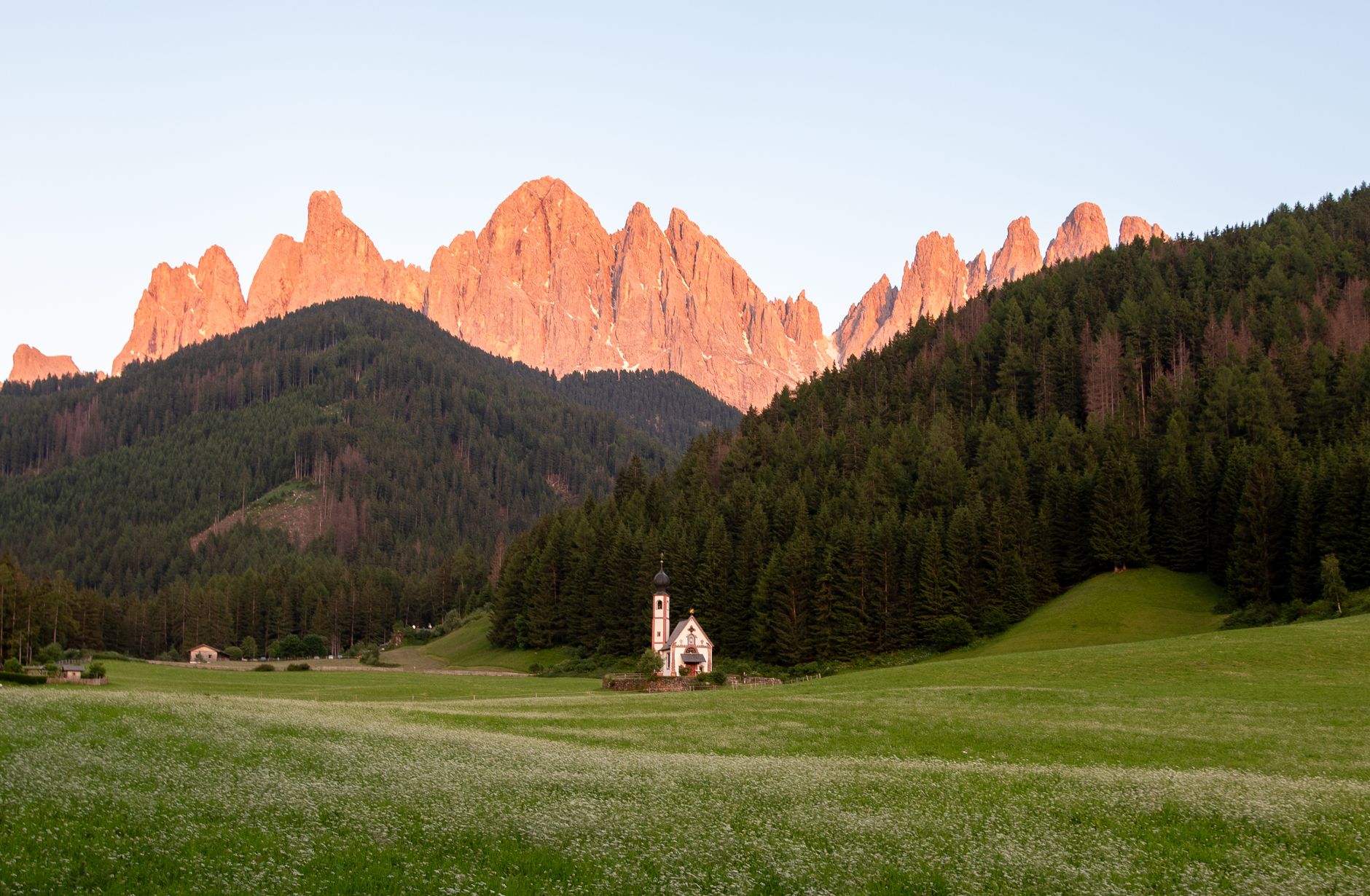
The Dolomites in northern Italy are famous for their rugged beauty and challenging climbs. The area is particularly known for its long, traditional multi-pitch routes.
- Level of Difficulty: Primarily advanced, with some moderate routes available.
- Equipment Suggestions: Traditional climbing gear including cams, nuts, a 60-70m rope, and a helmet. Warm clothing is advisable due to variable weather conditions.
- Destination Highlights: Hike the scenic Alta Via trails, visit the town of Cortina d'Ampezzo, and savor Italian cuisine at mountain refuges.
- Best Times of Year to Climb: The best time to climb in the Dolomites is from June to September, when the weather is more stable. Winter climbing is possible but requires specialized gear and experience.
- Safety Tips and Guidelines: Weather can change quickly in the mountains, so always check the forecast and be prepared for sudden storms. Carry a map and compass as cell service can be unreliable.
- Local Climbing Culture: The Dolomites have a storied climbing history, with many routes established by famous alpinists. The region's climbing huts, or "rifugios," provide a social atmosphere and a glimpse into local climbing traditions.
- Transportation and Accessibility: The Dolomites are best accessed by car, with the nearest major airports in Venice, Verona, and Innsbruck. Public transportation options include buses and trains to major towns like Cortina d'Ampezzo.
- Accommodations and Lodging Options: Accommodations range from campsites and mountain huts to hotels and guesthouses. Rifugio Lagazuoi and Hotel Lajadira are popular options, offering breathtaking views and easy access to climbing routes.
- Local Guides and Tours: Local guiding services such as Dolomite Mountains and Rock Experience offer expert guidance for both beginners and experienced climbers, including multi-day tours and climbing courses.
6. Paklenica, Croatia - Top Destinations for Rock Climbing in Europe

Paklenica National Park, located on Croatia's Adriatic coast, offers a stunning mix of sport and traditional climbing. The Velika Paklenica gorge is a highlight, with towering limestone walls.
- Level of Difficulty: Suitable for all levels, from beginner to expert.
- Equipment Suggestions: A 60-70m rope, quickdraws, a helmet, and traditional gear for multi-pitch routes.
- Destination Highlights: Relax on the beaches of Zadar, explore the historic town of Starigrad, and enjoy local Croatian dishes.
- Best Times of Year to Climb: The ideal climbing seasons are spring (April to June) and autumn (September to October). Summers can be very hot, and winters can be wet.
- Safety Tips and Guidelines: The limestone can be sharp, so tape and finger protection can be useful. Always check for loose rocks and secure your belongings as the gorge can be windy.
- Local Climbing Culture: Paklenica hosts an annual climbing marathon that draws climbers from around the world. The local climbing scene is friendly and welcoming, making it easy to connect with other enthusiasts.
- Transportation and Accessibility: Paklenica is accessible by car from Zadar, which has an international airport. Buses and taxis are also available for the short journey from Zadar to Starigrad.
- Accommodations and Lodging Options: Accommodation options in Starigrad include campsites, guesthouses, and hotels. Hotel Vicko and Camping Paklenica are popular choices among climbers for their convenience and amenities.
- Local Guides and Tours: Paklenica Avanturist and Croatian Climbing Guide offer guided tours and climbing courses, providing expert knowledge and safe climbing practices for visitors.
7. The Peak District, United Kingdom - Top Destinations for Rock Climbing in Europe

The Peak District is the birthplace of traditional climbing in the UK, known for its gritstone edges and scenic landscapes. Popular areas include Stanage Edge and Froggatt Edge.
- Level of Difficulty: Varied, with a focus on traditional climbing.
- Equipment Suggestions: Traditional climbing gear, including cams, nuts, a 60m rope, and a helmet. Bouldering mats are also useful.
- Destination Highlights: Visit the historic Chatsworth House, hike the picturesque trails, and experience the local pubs and tea rooms.
- Best Times of Year to Climb: The best times to climb are from late spring to early autumn (May to September). Winter can be wet and cold, making conditions less favorable.
- Safety Tips and Guidelines: Gritstone can be abrasive, so tape is useful to protect your hands. Be prepared for rapidly changing weather and always check the forecast before setting out.
- Local Climbing Culture: The Peak District has a rich climbing heritage and a strong local community. Climbers often gather in local pubs after a day on the rocks, sharing stories and tips.
- Transportation and Accessibility: The Peak District is accessible by train from major cities such as Manchester, Sheffield, and Derby. Buses and car rentals are available for reaching specific climbing areas.
- Accommodations and Lodging Options: The area offers a range of accommodations, from campsites and bunkhouses to cozy bed and breakfasts and hotels. North Lees Campsite and The Old Hall Hotel are popular among climbers for their location and facilities.
- Local Guides and Tours: Local guiding services like Peak Climbing School and Adventure Expeditions offer climbing courses, guided tours, and advice on the best routes and conditions.
Gear Up and Happy Travels
These top destinations for rock climbing in Europe offer something for every climber, from scenic bouldering in Fontainebleau to challenging multi-pitch routes in the Dolomites. Whether you're planning a dedicated climbing trip or looking to include some climbing in your European adventure, these epic spots will not disappoint. Be sure to pack the appropriate gear, check local climbing regulations, and most importantly, enjoy the climb and the stunning European landscapes.