
Plan Japan in Stippl
Day-by-day planning, stays and budget in one app, with every place from this guide already on the map.
Download the appJapan's Cities at a Glance
Before the nine, it helps to know the shape of the country, because "which cities are in Japan" is really a question about what each one is for. These are the places travellers actually route through, with the number of nights most people give them.
| City | What it's for | Typical nights |
|---|---|---|
| Tokyo | The largest urban region on earth, best taken one ward at a time | 3 to 4 |
| Kyoto | A thousand temples, and the crowds that come with them | 3 |
| Osaka | Food capital and the loosest of the big three | 3 |
| Hiroshima | Peace Memorial Park, necessary rather than optional | 2 |
| Kanazawa | Samurai and geisha districts that escaped the bombing | 2 |
| Fukuoka | Kyushu's gateway, and tonkotsu ramen's home | 2 |
| Nagasaki | The second bomb, and Dejima where the Dutch traded alone | 2 |
| Sapporo | Hokkaido's capital, a food city with a snow festival | 3 |
| Himeji | The finest surviving original castle, undamaged and white | Half a day |
Three of those carry most of the country's visitors. Tokyo, Osaka and Kyoto sit within a few hours of each other on the same rail spine, and a first trip is usually built along it. Everything in this guide is either on that line or a short branch off it.
The cities in this article are a different list. They are the ones where the traditional Japan people picture has actually survived, which is not the same thing as the biggest or the most visited.
Cities or Towns? Traditional Japan Is Mostly Towns
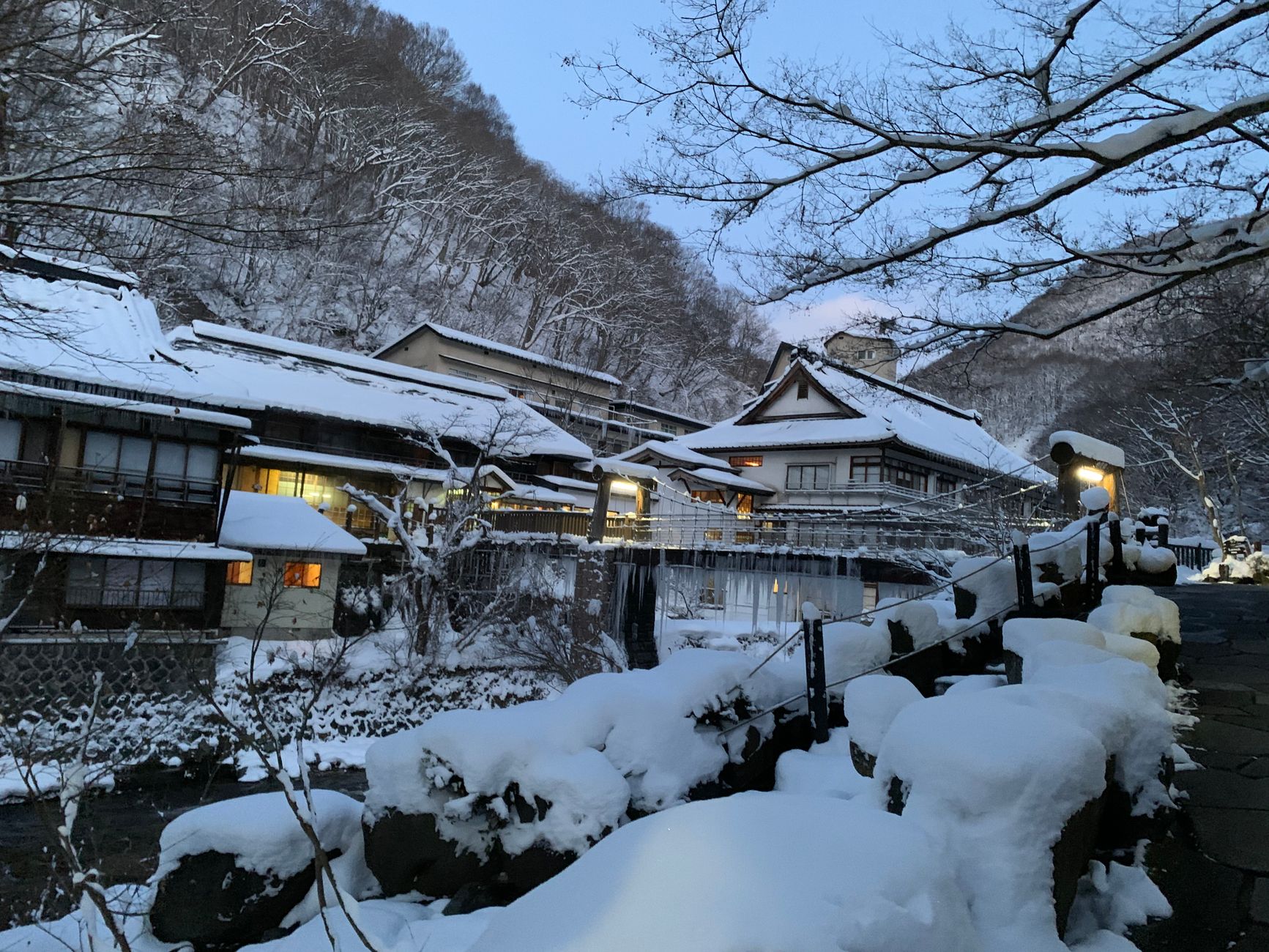
Worth saying plainly, because it changes what you search for and where you sleep: the Japan of wooden shopfronts, lantern-lit lanes and ryokan with one family running them is mostly not in cities. It's in towns.
Our own destination data classifies Nara, Takayama, Nikko, Hakone, Kamakura and Shirakawago as towns rather than cities, and that classification is doing real work. A town here means somewhere you can walk end to end in a morning, where the historic quarter is the place rather than a district inside it, and where the last train out matters.
The practical difference:
- A traditional city, like Kyoto or Kanazawa, has a preserved quarter inside a working modern city. You get the temples and the teahouses, plus restaurants open past nine and a station with fast trains
- A traditional town, like Takayama or Shirakawago, is preserved end to end. Far better atmosphere, far fewer options, and in the smaller ones dinner is wherever your ryokan serves it
Three of the nine below are towns by that definition, and they are the three people remember.
The Nine Traditional Cities and Towns, One by One
1. Kyoto: Japan's Cultural Capital

Kyoto is often considered Japan's cultural heart, having served as the imperial capital for over a thousand years. Its countless temples, shrines, gardens, and traditional neighbourhoods make it a must-see destination for anyone interested in the country's history and culture.
Must do's in Kyoto:
- Kinkaku-ji (Golden Pavilion): marvel at the shimmering gold-covered Zen temple set against a peaceful pond
- Arashiyama Bamboo Grove: walk through towering bamboo stalks in one of the world's most famous bamboo forests
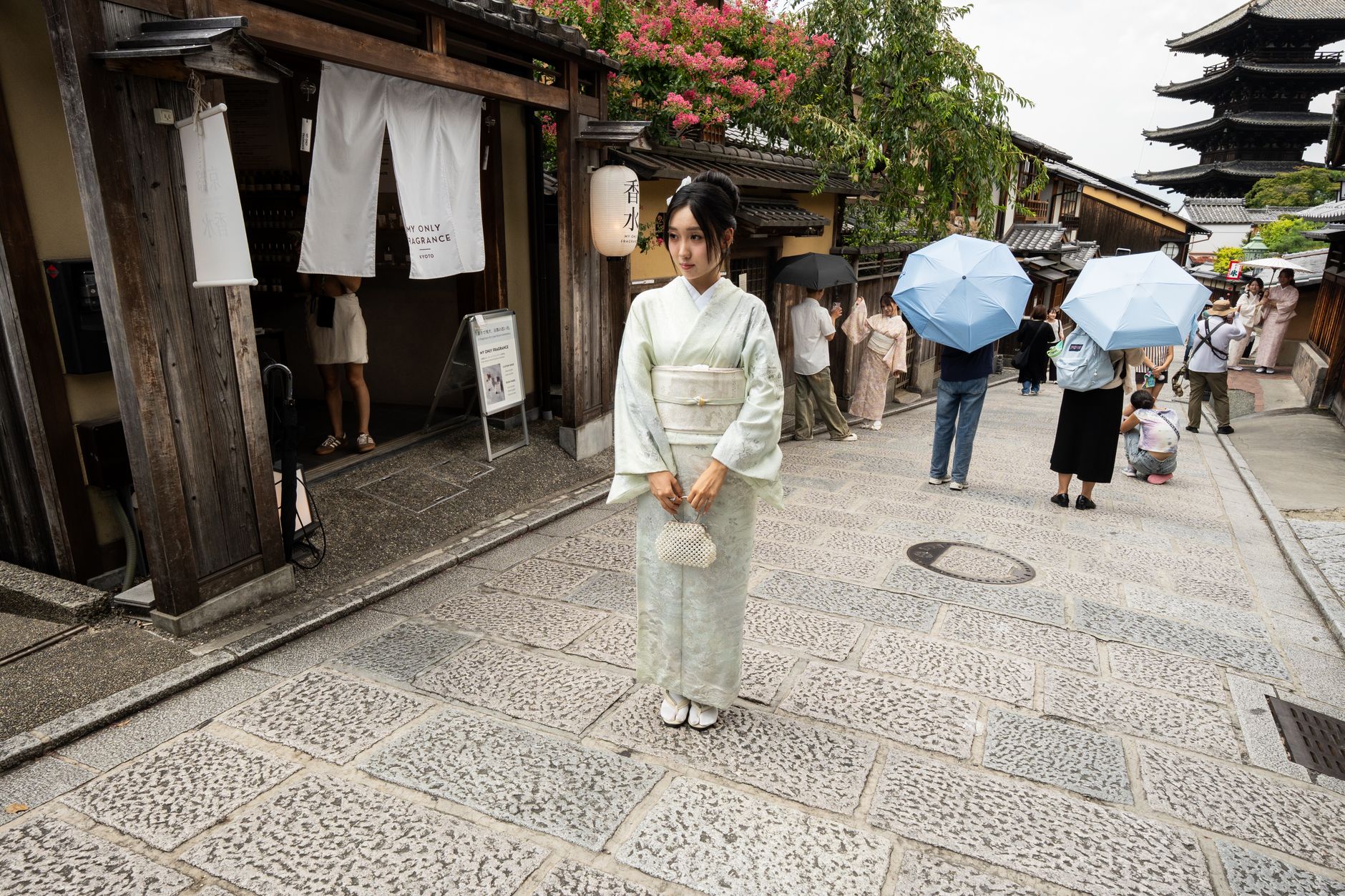
- Gion District: stroll through this historic area known for its traditional teahouses and geisha in their colourful kimonos
- Fushimi Inari Shrine: walk through thousands of vermillion torii gates on the sacred path to Mount Inari
Traditional accommodation in Kyoto:
- Yoshida-sanso Ryokan. A former residence of the imperial family, with a serene atmosphere, beautiful gardens and traditional kaiseki meals
- Typical price: €300 to €500 per night
2. Nara: Ancient Temples and Sacred Deer

As Japan's first permanent capital, Nara offers a blend of cultural treasures and natural beauty. The city is famous for its historical temples, sacred free-roaming deer, and laid-back atmosphere, and it makes an excellent day trip from Kyoto or Osaka.
Must do's in Nara:
- Todai-ji Temple: visit this massive wooden temple housing the world's largest bronze Buddha statue
- Nara Park: feed the friendly deer that are considered messengers of the gods
- Kasuga Taisha Shrine: explore this centuries-old shrine, lit by thousands of stone and bronze lanterns
- Mount Wakakusa: hike up the gentle slopes for a panoramic view of Nara and the surrounding countryside
Traditional accommodation in Nara:
- Noborioji Hotel Nara. A luxury ryokan with serene views and traditional Japanese hospitality, steps from Nara Park
- Typical price: €250 to €400 per night
3. Kanazawa: Samurai Districts and Garden Splendour

Often called "Little Kyoto," Kanazawa is known for its well-preserved samurai and geisha districts, its gardens, and a thriving arts scene. It is less crowded than Kyoto and just as culturally rich, which makes it one of Japan's most underrated destinations.
Must do's in Kanazawa:
- Kenroku-en Garden: one of Japan's top three gardens, known for its seasonal beauty throughout the year
- Nagamachi Samurai District: explore the historic residences and narrow lanes once home to samurai families
- Higashi Chaya District: visit traditional teahouses in this charming area where geisha used to perform
- 21st Century Museum of Contemporary Art: a fascinating modern contrast to the city's historical sites
Traditional accommodation in Kanazawa:
- Ryokan Asadaya. An intimate ryokan with only two rooms, offering personalised service and traditional kaiseki dining
- Typical price: €400 to €600 per night
4. Takayama: Preserved Edo Streets in the Japanese Alps

Deep in the Japanese Alps, Takayama is famous for its beautifully preserved Edo-period streets and its twice-yearly festivals. The remote mountain setting has helped maintain its historical character better than almost anywhere else in Japan. It is a town rather than a city, and it is the better for it.
Must do's in Takayama:
- Sanmachi Suji District: wander streets lined with wooden merchant houses, sake breweries and craft shops
- Takayama Jinya: tour this former government outpost from the Edo period
- Takayama Festival (14 and 15 April, 9 and 10 October): one of Japan's most beautiful festivals, with elaborate floats and traditional performances
- Hida Folk Village: discover rural life in traditional thatched-roof houses moved here from across the region
Traditional accommodation in Takayama:
- Hida Hotel Plaza. A ryokan-style hotel with spacious tatami rooms, hot spring baths and mountain views
- Typical price: €150 to €250 per night
5. Nikko: Lavish Temples in a Mountain Landscape
Nikko is known for its lavishly decorated shrines and temples set inside a mountainous national park. As a UNESCO World Heritage Site it is one of Japan's most spiritually significant destinations, and one of the most visually spectacular.
Must do's in Nikko:
- Toshogu Shrine: admire the intricate carvings and gold leaf at the mausoleum of Tokugawa Ieyasu
- Shinkyo Bridge: photograph this iconic red bridge spanning the Daiya River
- Kegon Falls: visit one of Japan's highest waterfalls, at its best in autumn when the foliage turns
- Lake Chuzenji: take a boat out on this scenic lake, framed by forested mountains
Traditional accommodation in Nikko:
- Nikko Kanaya Hotel. Japan's oldest resort hotel, with Western-style rooms and a hint of traditional Japanese decor
- Typical price: €200 to €350 per night
6. Kurashiki: Canal Town with Edo-Period Charm
Kurashiki's Bikan Historical Quarter is a window into Japan's Edo-period merchant past, with preserved white-walled warehouses and willow-lined canals. It's a charming, walkable place where tradition and modern art sit side by side.
Must do's in Kurashiki:
- Bikan Historical Quarter: explore beautifully preserved streets lined with Edo-period white-walled storehouses
- Ohara Museum of Art: see a collection of Western and Asian art in Japan's first privately owned museum
- Canal boat ride: drift along the canals and take in the historic architecture from the water
- Ivy Square: visit this complex of ivy-covered buildings that once housed a cotton mill
Traditional accommodation in Kurashiki:
- Ryokan Kurashiki. A luxurious ryokan in the heart of the historic district, with traditional tatami rooms
- Typical price: €400 to €600 per night
7. Himeji: Home to Japan's Greatest Castle
Himeji is home to Japan's most famous castle, a UNESCO World Heritage Site that survived wars, earthquakes and the Second World War completely intact. The city's peaceful gardens and surrounding hills complement the castle's grandeur.
Must do's in Himeji:
- Himeji Castle: climb to the top of Japan's most spectacular castle, known for its white façade and complex defensive design
- Kokoen Garden: relax in this beautifully landscaped garden directly next to the castle
- Engyo-ji Temple: visit this serene temple complex on Mount Shosha, reachable by cable car, with panoramic views over the city
Traditional accommodation in Himeji:
- Yumesaki Retreat Inn. A traditional ryokan near Mount Shosha, with peaceful surroundings and authentic Japanese rooms
- Typical price: €120 to €250 per night
8. Matsue: The City of Water and Samurai History
Matsue, the "City of Water," sits on the shores of Lake Shinji and has one of Japan's few remaining original castles. Its waterways, samurai history and connection to the writer Lafcadio Hearn make it culturally rich, and most visitors overlook it completely.
Must do's in Matsue:
- Matsue Castle: explore this well-preserved original castle, with panoramic views from the top
- Horikawa boat tour: take a relaxing boat ride through the moats surrounding the castle
- Lafcadio Hearn Memorial Museum: learn about the Western author who first introduced Japan's culture to English readers
- Izumo Taisha Shrine: visit one of Japan's most ancient and revered Shinto shrines, nearby
Traditional accommodation in Matsue:
- Minamikan Ryokan. A luxurious ryokan with rooms overlooking Lake Shinji and traditional kaiseki dinners
- Typical price: €200 to €450 per night
9. Kawagoe: Little Edo Within Day-Trip Distance of Tokyo
Known as "Little Edo," Kawagoe is a compact, easily reached town just outside Tokyo that keeps the character of the Edo period. Its traditional warehouse streets and old market alleys make it a fascinating day trip, or a quiet overnight stop before or after Tokyo.
Must do's in Kawagoe:
- Kurazukuri Street: walk this street lined with Edo-period warehouses, now craft shops and cafes
- Kawagoe Hikawa Shrine: visit this charming shrine, known for bringing good luck in love
- Candy Alley (Kashiya Yokocho): try traditional Japanese sweets along this nostalgic alley
- Toki no Kane (Bell Tower): see this historic bell tower, a symbol of Kawagoe, for a view across the old town
Traditional accommodation in Kawagoe:
- Ryokan Matsumuraya. A cosy ryokan with traditional rooms in the heart of Kawagoe
- Typical price: €100 to €200 per night
Turn these stops into a route
Pick your favourites and Stippl orders them, adds travel times and builds the day-by-day.
Which Japanese City Is Best for What?

There is no single best city in Japan, and anyone who names one is answering a different question from the one you asked. What there is, is a best city for a particular thing.
- Best for temples and the classic image: Kyoto. Nowhere else comes close for density, and the crowds are the price
- Best for the same thing without the crowds: Kanazawa. Samurai and geisha districts that escaped the wartime bombing, and a fraction of the visitors
- Best traditional town: Takayama. Edo streets still lived in rather than preserved as an exhibit
- Best for a castle: Himeji, and it isn't close. The finest surviving original, never destroyed and never rebuilt
- Best day trip from Tokyo: Kawagoe. Old Edo warehouse streets, comfortably there and back in a day
- Best for a first trip that has to include everything: Kyoto for the temples, Tokyo for the modern half, and one town in between so the trip has a quiet middle
If you want the sights rather than the atmosphere, our guide to the top tourist attractions in Japan covers the headline list, and the best photo spots in Japan covers where those images actually get taken.
Getting Between Them
Almost all of these are reachable on the rail network, and most first trips are built around a rail pass. The distances that matter:
Two things worth knowing before you plan the route. Takayama and Shirakawago are reached by bus rather than train, which is the single most common surprise on an Alps itinerary. And Matsue and Kurashiki sit off the main shinkansen spine, so both cost you a half day of travel each way. That is what makes them quiet, and it is also why most people skip them.
How Many Cities Should You Visit?
Six, on a two to three week trip. That is not a rule of thumb, it is what travellers actually do.
Japan trips planned with Stippl run 17 days and carry six stops, across 101,829 trips. Tokyo alone holds 138,693 of the stops in our data, Kyoto 73,503 and Osaka 78,618, which tells you where the weight really sits: three anchors, and then three or four smaller places threaded between them.
The failure mode is trying for nine. Each move costs you a morning packing and a train, and the traditional towns in this list are the ones that suffer, because they only work if you stay the night. A trip with four cities and two towns, at three nights and one night respectively, is a better fortnight than eight one-night stands.
If you want a worked example rather than a rule, our two weeks in Japan spring itinerary sequences a version of exactly this.
Best Time to Visit Traditional Japan
Autumn (October to mid-November) is the best season for these cities, and it is also the one our own travellers pick most: autumn takes a slightly larger share of Japan trip starts than spring, and October is the single most planned month. Red and gold maple frames the temples and castle gardens, particularly in Nikko, Kyoto and Kanazawa, and the crowds are lighter than in spring.
Spring (late March to early May) is the famous one, when cherry blossom turns Kyoto, Nara and Kawagoe into something almost unreal. Crowds peak during Golden Week in late April and early May, so book accommodation months ahead.
Winter (December to February) is the quietest season and genuinely underrated, especially in Takayama and Nikko, where snow-covered temples and near-empty streets do something the other seasons can't. Prices are lower and the queues are short.
Summer (June to August) brings humidity and festivals. Gion Matsuri in Kyoto in July is spectacular and extremely crowded. Start at temples early and keep the evenings for outdoors.
Japan Awaits
Japan's beautiful traditional cities offer a journey through time, in preserved temples, castles and historical streets. Whether you're exploring the temples of Kyoto, catching a festival in Takayama or slowing down in a ryokan in Kawagoe, these places carry the essence of old Japan.
Pick three anchors and two towns, give the towns a night each, and let the trains do the rest. When you're ready to lay it out day by day, start your Japan trip in Stippl and put the cities, the nights and the rail legs in one place.
Read more: our Japan guide, for the rest of the country.
Frequently asked questions about Japan
Tokyo, Osaka and Kyoto carry most of the country's visitors and sit within a few hours of each other on the same rail spine. After those, the ones travellers route through most are Hiroshima, Kanazawa, Fukuoka, Nagasaki and Sapporo. The nine in this article are a different list: the places where traditional Japan has actually survived.
Kyoto is widely considered the most beautiful traditional city, with over 1,600 Buddhist temples, 400 Shinto shrines and 17 UNESCO World Heritage Sites. Kanazawa and Takayama give a similar experience with far fewer visitors, which for some travellers makes them the better answer.
A traditional city, like Kyoto or Kanazawa, has a preserved historic quarter inside a working modern city, so you get the temples plus late restaurants and fast trains. A traditional town, like Takayama or Shirakawago, is preserved end to end: better atmosphere, fewer options, and dinner is usually wherever your ryokan serves it.
Six over two to three weeks is what most travellers land on. Japan trips planned with Stippl run 17 days and carry six stops. Three anchor cities at three nights each, plus two or three smaller places, works better than trying to fit in nine.
Himeji. It is the finest surviving original castle in Japan, never destroyed and never rebuilt, and it is an easy stop on the shinkansen between Kyoto and Hiroshima.
Some of them. Kawagoe is 30 minutes from Tokyo and works well in a day, and Nara is 45 minutes from Kyoto. Takayama, Nikko and Kurashiki all deserve an overnight, because their character shows up in the evening and early morning once the day-trippers have gone.
Autumn, from October to mid-November, for the foliage and the lighter crowds. Our own planning data has October as the most planned month for Japan trips, slightly ahead of the spring blossom season.